

Introduction
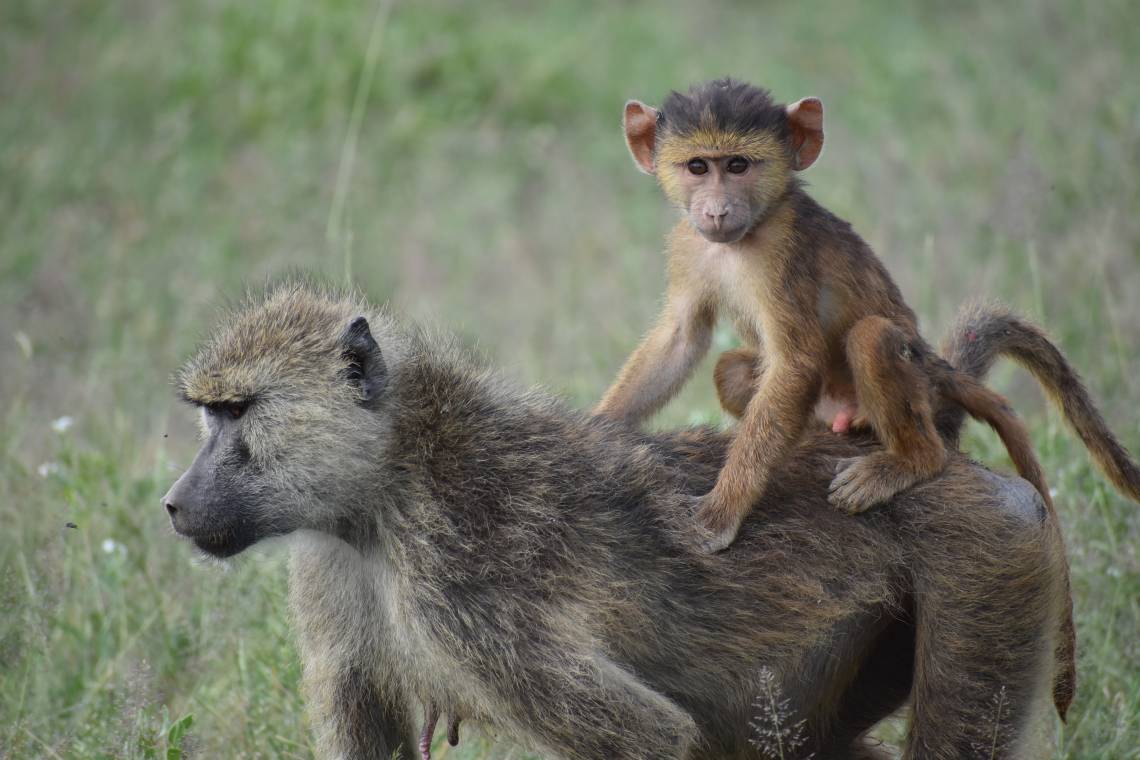
Leaves crackle, a rock shifts, and a face peeks from the brush. A youngster rides belly to belly, the mother scans the track, and a big male yawns to show serious canines. You hold your snack a little tighter and watch the troop flow past like a living wave.
Baboon: Species, habitat and Characteristics gives you a clear view of how these primates live, eat, socialize, and outthink predators. You get practical field insight you can use on your next safari
Habitat and diet
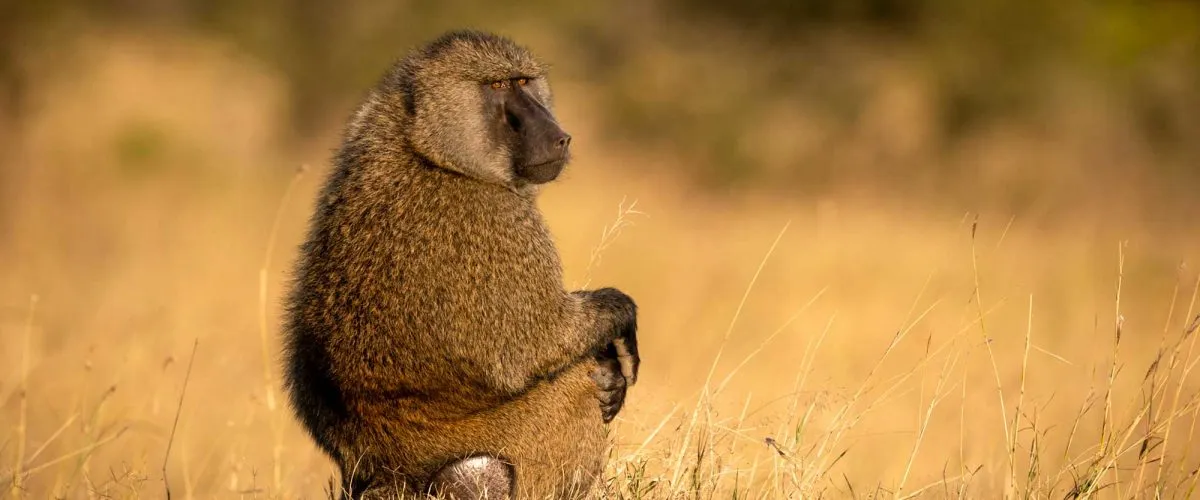
Baboons live on the ground. You find them across open savannah, open woodland, hills, and rocky escarpments. They choose cliffs or tall trees to sleep, then spread out at first light.
They eat what the day offers. Fruit, seeds, bulbs, grasses, roots, leaves, bark, fungus, insects, spiders, worms, fish, shellfish, birds, rodents, vervet monkeys, and small antelopes. They raid fields for maize or sugarcane. In towns they open bins, slide car windows, and snatch bread from dashboards.
Foraging runs through the day, with rest in the heat.
Troops know water points, crop edges, and picnic sites.
Human food teaches bold behavior, so keep items sealed and out of sight.
Predators and defense
Lions, leopards, spotted and striped hyenas, and Nile crocodiles take baboons. Leopards hunt young most often, since large males fight back.
Troops post sentries. A bark sounds, bodies bunch, and the big males move forward.
Eyelid flashes, ground slaps, and long yawns warn attackers.
Chases push threats off, then the troop melts into cover.
Black mamba kills happen when a snake gets stepped on or surprised.
Social systems you can read in the field
A group of baboons is called a troop and sizes range from 5 to 250, often around 50. However, it is important to note that social rules shift by species.
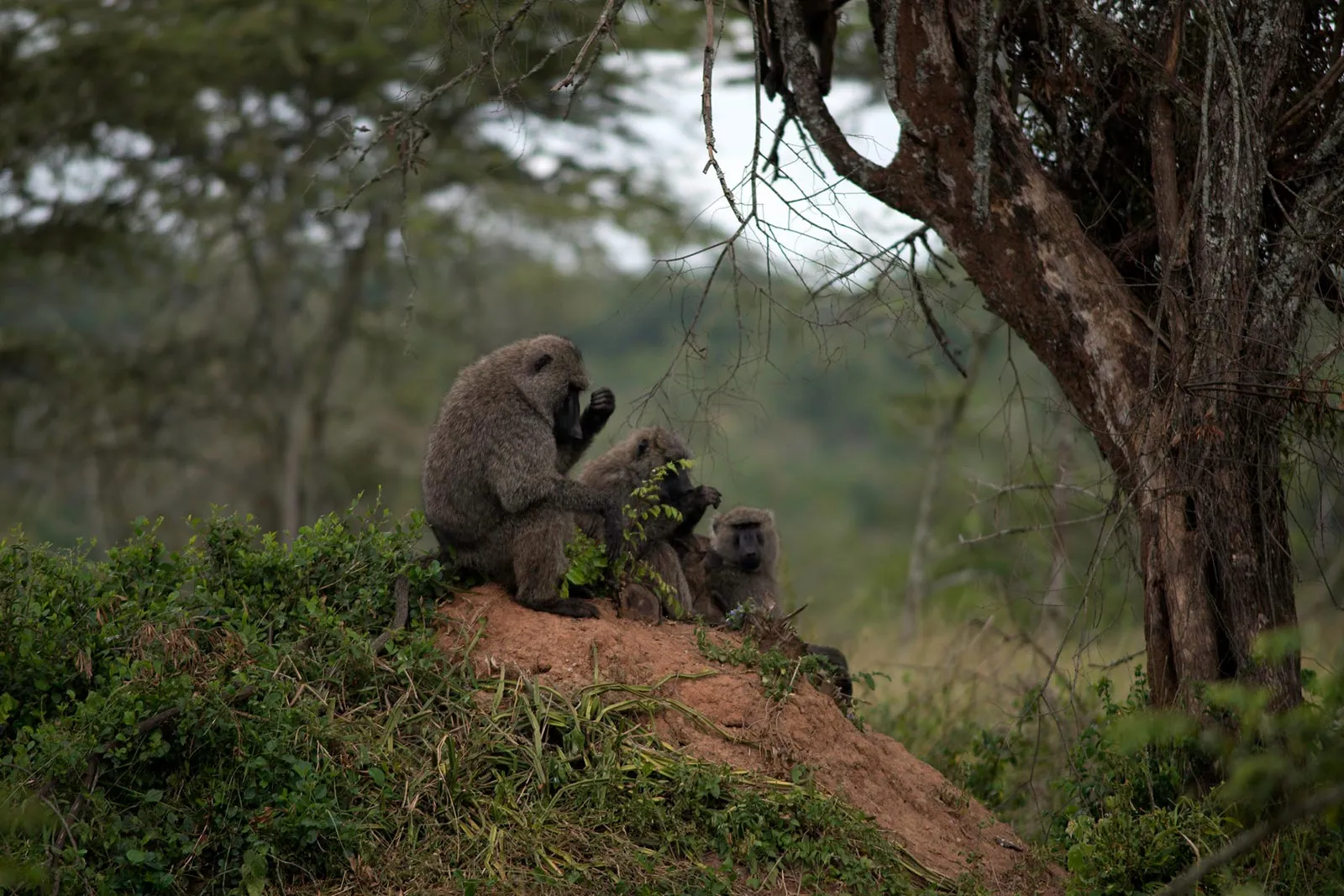
Savanna baboons, olive, yellow, chacma, and Guinea, live in multi-male, multi-female troops. Rank runs through female family lines, and males move between troops as they mature.
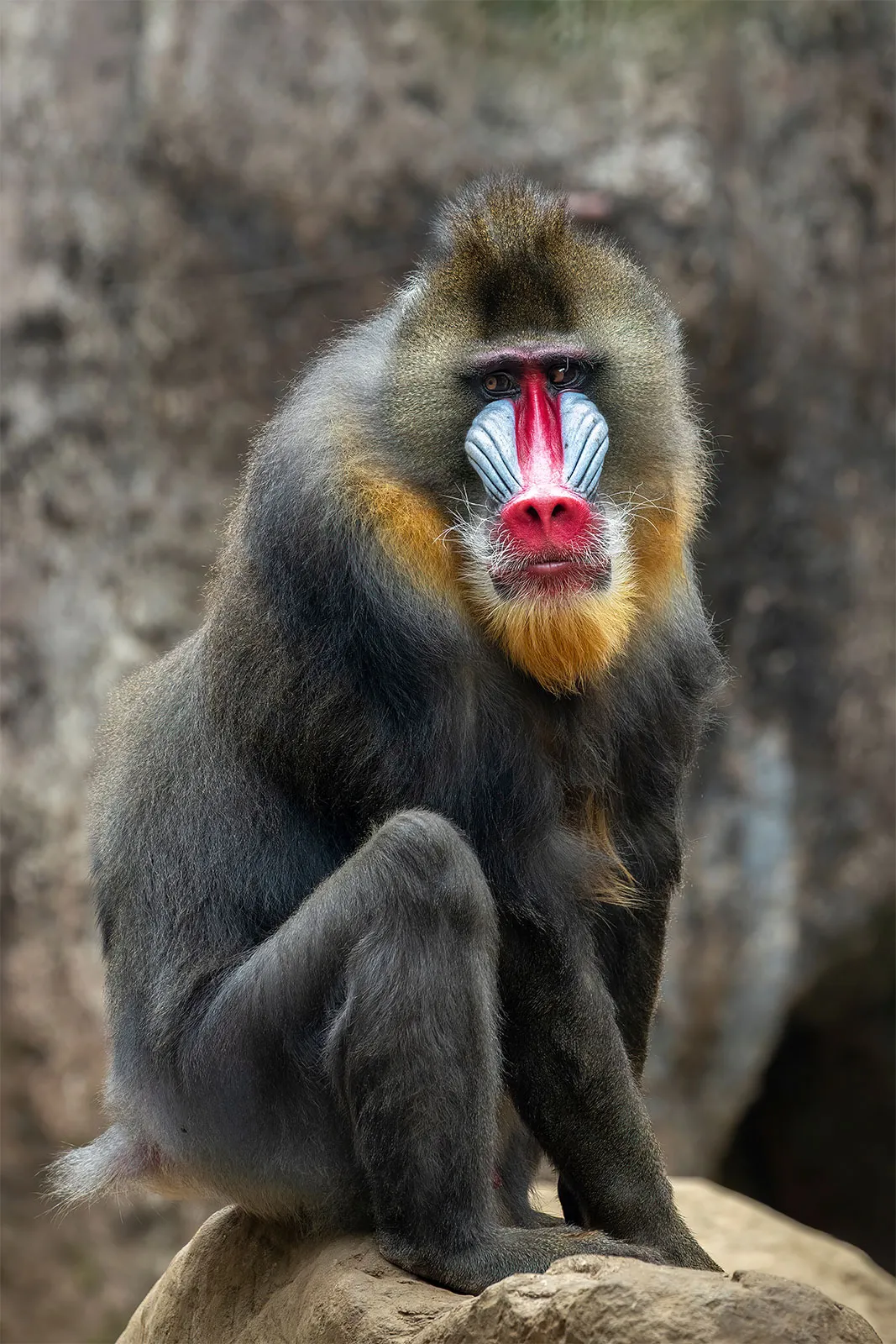
Hamadryas baboons form one male units, called harems, that cluster into larger bands. An older male guard a few females, often with a younger male nearby. Fights break out when males try takeovers. You see eyelid flashes, quick lunges, and loud barks before contact.
Males sometimes grab infants during conflicts. It works as a shield and pulls adults to a halt.
What to watch for
Grooming chains that calm the troop.
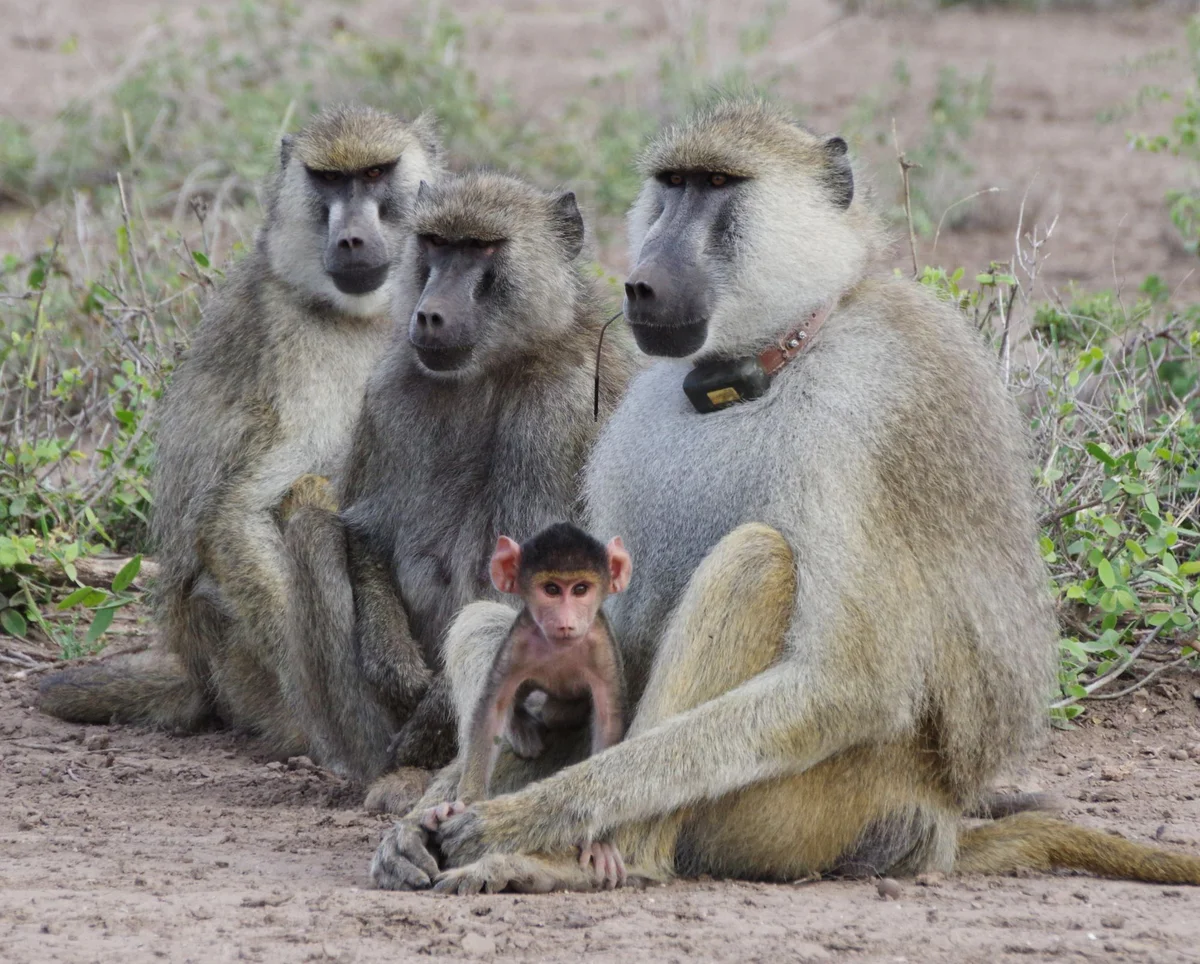
Juveniles learning to ride, belly first, then jockey style on the back.
Feeding lines that sweep a hillside like a slow harvest.


Where you can see them
Tanzania. Serengeti kopjes at dawn, Ngorongoro rim roads, Tarangire river lines.
Kenya. Tsavo picnic sites, Amboseli swamps, coastal forests for yellow baboons.
Uganda. Murchison Falls River tracks, Queen Elizabeth fig belts.
South Africa. Kruger river loops, Cape Mountain cliffs for chacma troops.
West Africa. Niokolo-Koba and nearby reserves for Guinea baboons.
Horn of Africa. Harar to the Red Sea hills for hamadryas on cliff faces.
Species and how to tell them apart
Use body size, coat color, and face shape. This table gets you from guess to confident ID.
| Species | Location | Features | Average size | Social notes |
| Olive (Papio anubis) | East and Central Africa | Green-brown coat, dog-like muzzle | Males 20–30 kg, females smaller | Large multi-male troops, flexible diets |
| Yellow (P. cynocephalus) | Coastal East Africa | Slim build, yellowish coat, long limbs | Males 18–27 kg | Fast walkers, often near coast and savannah edges |
| Chacma (P. ursinus) | Southern Africa | Largest, dark brown to blackish | Males 25–40 kg | Cliff sleepers, bold crop raiders in some areas |
| Guinea (P. papio) | West Africa | Smaller, reddish coat, short muzzle | Males 20–25 kg | Dense social grooming, tight groups |
| Hamadryas (P. hamadryas) | Horn of Africa, Arabia | Males with silver mantle, pink face | Males 20–30 kg | One-male units within larger bands, cliff roosts |
Hybrids appear where ranges meet. If features look mixed, you may be in a contact zone.
What you notice first
You notice the muzzle and the canines. You notice the confidence. One baboon rarely travels alone. Scan the shade and termite mounds. The troop is there, counting you before you count them.
How troops work
Baboons run complex societies that reward alliances and grooming.
- A dominant male breaks up fights and eats first.
- Subordinate males trade support for future favors.
- Females anchor family lines and often stay in their birth troop.
- Juveniles copy, test, and learn by failing safely in the middle of the group.
Read tails and space. Low tails and wide spacing signal tension. Close grooming means calm.
Diet, foraging, and those famous raids
Baboons eat what the day offers. Fruit, grass, bulbs, seeds, insects, small vertebrates, shellfish in some coastal spots. Human food teaches pushy habits.
- Keep food sealed and out of sight.
- Do not hand-feed. You train risk, and risk ends badly for animals.
- If a baboon eyes your bag, step back and hold your ground. Do not run.
Communication you can spot
You hear barks and grunts. You see eyebrow flashes, lip smacks, and yawns.
- Lip smacks show friendly intent.
- Eyelid raises push rivals back.
- A long yawn shows canines and says keep your distance.
- Infant screams bring adults fast.
One alarm call can move a troop like a school of fish.
Habitats and daily rhythm
Cliffs and tall trees for sleep. Early start to feed. Midday rest in shade. Late afternoon forage, then back to roost sites before dark.


Safety for you, safety for them
Keep sightings clean and calm.
- Maintain three to five meters at minimum. Add distance if a male stares.
- Zip pockets. Keep bags on you, not on the ground.
- Stand, do not run, if one approaches. Running invites, a chase.
- Car windows up in raid zones. A baboon hand beats your reflex.
- Photograph, then step aside. Do not block their path.
Why scientists pay attention
Baboons help test ideas about stress, cooperation, memory, and disease. They recognize faces, track relationships, and remember who helped whom. Long studies follow family lines across decades and show how social life shapes health.
Conservation status
Baboons adapt well, yet conflict follows cropped fields and unsecured bins. The fix is simple.
- Solid lids on waste.
- Food rules at picnic sites.
- Guides who brief guests and keep distance.
- Community projects that reduce crop losses.
For photographers
You want sharp eyes, clean hands, and context.
- Early light shows face textures and finger detail.
- Use a moderate zoom. Stay in the vehicle where rules require it.
- Focus on behavior. Grooming chains, infant handoffs, and alarm calls tell stories.
For first-time safari goers
Pack a small dry bag for snacks and lenses. Bring a neck buff for dust near roost cliffs. Expect plans to shift. Troops edit routes all day.
A short checklist you can save
- Respect distance.
- Hide food.
- Read body language.
- Windows up near raid-wise troops.
- Enjoy, then let them pass.
Top 7 FAQs
1) Are baboons dangerous?
They avoid conflict if you give space and hide food. They can bite and defend young or food. Keep three to five meters, stay calm, and never feed them.
2) What should you do if a baboon approaches your bag or car?
Stand tall, keep the bag on you, and back away slowly. Do not run. In cars, keep windows up in known raid areas and never leave food in sight.
3) What do baboons eat?
Fruit, seeds, bulbs, grass, insects, and small prey. In coastal areas they rinse food in tidal pools. Human food creates pushy behavior, so keep it sealed.
4) Where can you see baboons in East and Southern Africa?
Serengeti, Ngorongoro, Tsavo, Amboseli, Kruger, Okavango fringes, Etosha edges, Zambezi valley, and many community lands near farms.
5) How can you photograph baboons without causing trouble?
Use a moderate zoom, stay in your vehicle when rules require it, and avoid blocking paths. Focus on eyes and hands, shoot in early light, then move on.
6) How do you tell baboon species apart quickly?
Check size and coat. Chacma are large and dark in the south, olive is green-brown over much of East and Central Africa, yellow are slim and pale near the coast, Guinea is smaller and reddish in West Africa, hamadryas males have silver mantles.
7) Why do baboons yawn or flash eyelids at you?
A wide yawn shows long canines and signals keep your distance. Eyelid raises and barks warn rivals. Lip smacks show friendly intent during grooming and calm moments.
Conclusion, and a simple ask
Your baboon story starts with patience and space. You get the raised brows, the quiet grooming circle, the infant trying a first back ride, and the single bark that moves a hundred bodies. If you want a plan that puts you at the right cliffs and road crossings, with guides who read behavior fast, tell me your dates and comfort level. I will shape an itinerary that keeps you safe, keeps baboons safe, and gives you the kind of sightings you remember

Got any questions
about traveling to Uganda?
Get in touch.
