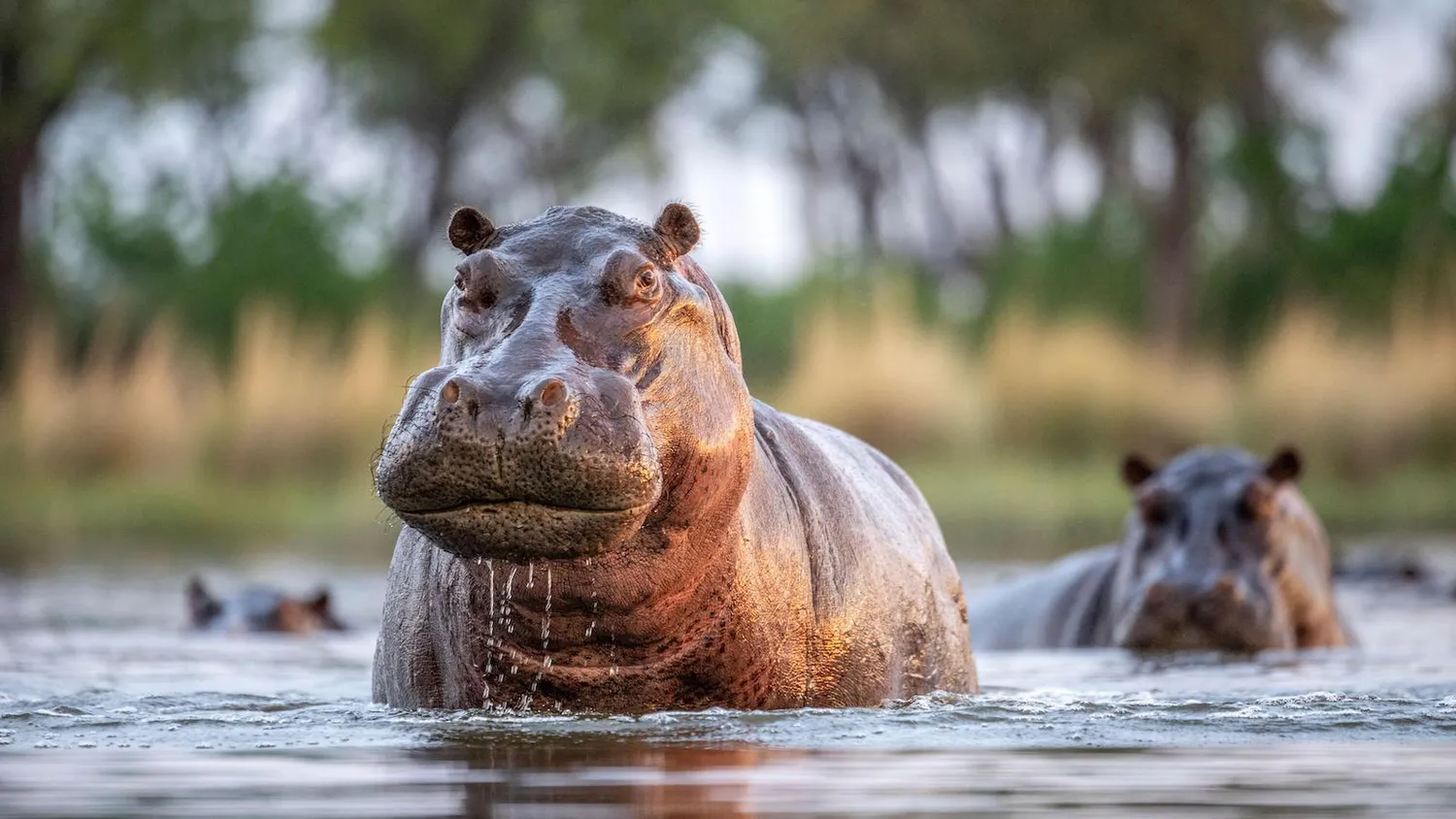
Late light slips over the water. A bubble breaks, then two round ears rise like small periscopes. The Hippo lifts its head, snorts, and a ring of ripples pushes out. You feel the space change. Cattle egrets shuffle on broad backs. A jaw opens, pink cavern wide, teeth shining like chisels. The sound lands in your chest.
You wait. Another shape surfaces, then a calf tucked close to a wide shoulder. The herd shifts and the river looks alive under a single sheet of brown. Quiet returns, but not for long. Soon they will climb out and walk the night.
You look down at your own boots, then back at the bank. The water gives you a lesson without saying a word. Respect the line. Read the wind. Give the Hippo room to be the river it is.
Identification, quick cues you can trust
Barrel body with short legs and a near hairless hide
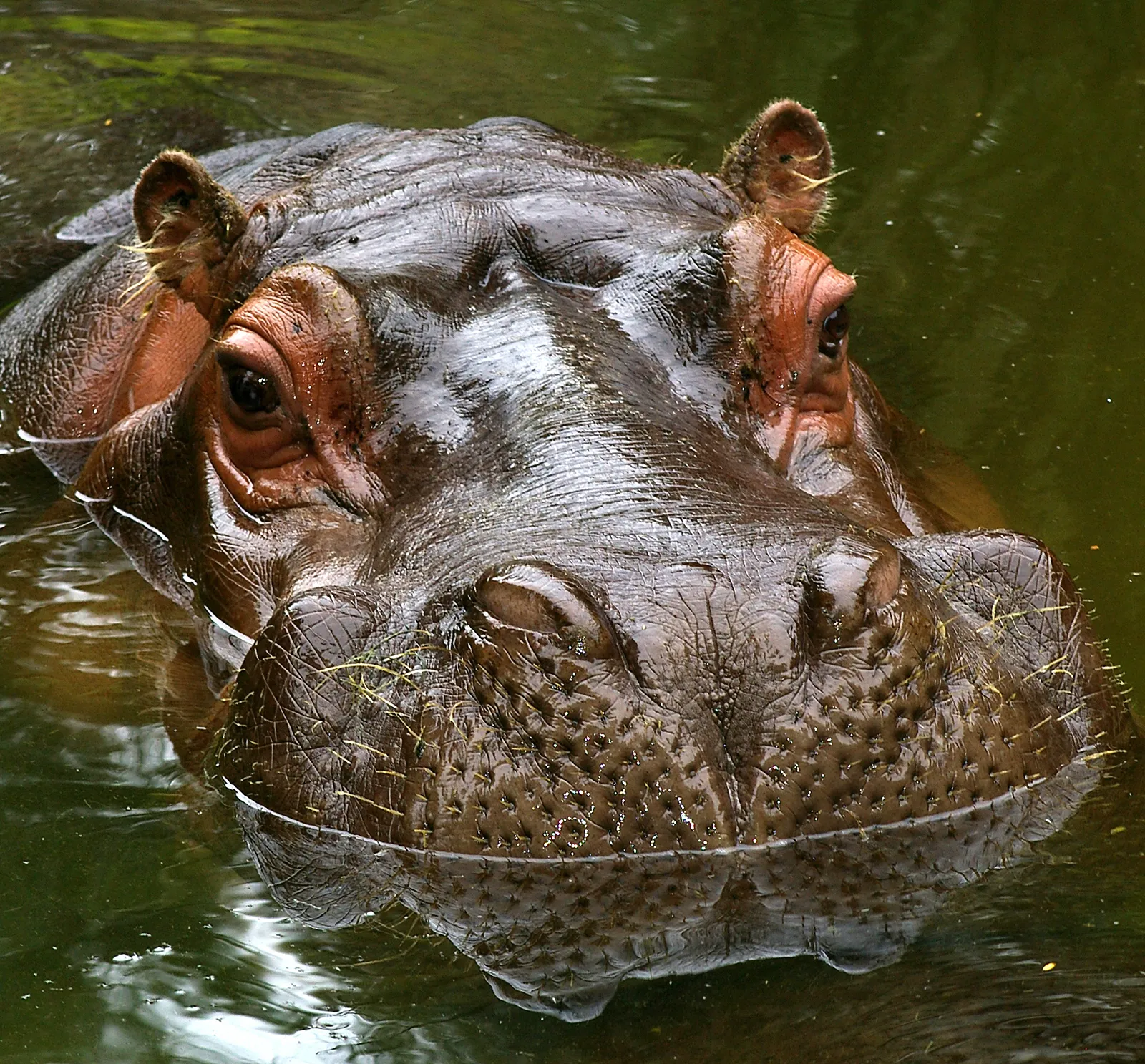
Eyes, ears, and nostrils set high for semi-submerged life
Huge jaws with long lower canines used in fights
Brown to slate skin that dries to a matte sheen on land
Calves ride low beside a parent, often under the chin in deeper water
Recommended Safaris
8 Days
Private
8 Days Murchison Falls, Gorilla, Chimpanzee & Queen Elizabeth Safari
Vulnerable in many regions due to habitat loss and hunting
Behavior you can read in minutes
Daytime means water. Bodies stack close, heads low, small shifts to keep space without trouble. A yawn can be a signal. It shows teeth, sets a boundary, and lets others measure temper. Snorts and grunts roll across the surface like slow drums.
Evening stirs the bank. Hippos climb out in lines, pause, listen, then walk with quiet purpose. Paths cut neat trenches through reed and grass. They can travel far and still find the same entry point before dawn. Calves shadow a parent. Bulls hold sections of the river and defend them with displays, chases, and jaw clashes that you feel before you hear.
Diet
Grass. Lots of it, cropped low at night with wide lips made for the job. Hippos rarely eat in the water. A good feed can run many hours. In poor times they push farther, then return before first light. You may see muddy muzzles and a ring of clipped grass like someone ran a mower in the dark.
Hippo Gallery
Reproduction
Mating takes place in water. After about eight months, a female gives birth, often in a quiet channel. Calves can nurse underwater, surfacing to breathe, then tuck back in. A mother keeps a tight circle around her young. Bulls defend territory, not a harem, yet their presence shapes who shares a pool. Calves learn the routes by walking in the lee of larger bodies.
Where to see hippo
Tanzania. Serengeti and Katavi pools, Ruaha and Selous channels
Kenya. Mara River oxbows and slow bends
Uganda. Kazinga Channel in Queen Elizabeth, Nile below Murchison Falls
Botswana. Okavango channels and Khwai backwaters
Zambia. Luangwa River sandbanks and lagoons
South Africa. Kruger’s rivers and dams, St Lucia estuary
Namibia. Caprivi and Kavango stretches
Dawn gives steam on water and soft grunts. Late afternoon lines up yawns and position shifts. Night drives near safe banks catch the first steps ashore.
Field tips you can use today
Stay in the vehicle near banks and give straight paths to water
On boats, keep a calm, predictable line and a wide arc around pods
Watch the ears and eyes of the nearest animal, not the biggest yawn in the back
If one lifts high and fixes on you, back off slowly and change angle
Never stand between a hippo and water, even by accident
Ethics
No approach on foot to resting pods
Keep distance from mothers with calves
Do not block known paths to and from water
Respect local rules on night movements in hippo areas
Are hippos dangerous to people?
Yes, if you enter their space or block a path. Most incidents involve surprise encounters on foot at night or poor angles with boats at close range. Give them distance and a clear route to water.
What time of day is best for sightings?
Daytime for pods in water, late afternoon for surface action and yawns, and dusk for the first steps ashore. Morning fog over rivers makes beautiful scenes with soft grunts and steam.
Do hippos swim or walk underwater?
They do not swim in the way fish do. They push off the bottom and glide, then touch down and push again. Watch the rhythm. It looks like slow bouncing.
What do hippos eat and where?
Grass on land at night. They graze quietly, often far from rivers, then return before sunrise. You can find cropped lawns along their paths like fresh haircuts in the dark.
How close is safe on a boat?
Farther than you think. Keep a wide buffer and never cut between animals and the bank. If ears fix on you and heads rise, turn away in a smooth arc and reset.
Why do hippos open their mouths so wide?
Display, threat, and social rank. It also cools the mouth lining and helps shed heat on hot days. In disputes, the gape shows weapon size before jaws clash.
Where are your best odds for classic views?
Kazinga Channel in Uganda for long lines of heads. The Mara and Serengeti bends for yawns and splashes. Okavango side channels for calm water portraits. Luangwa and Katavi for big pods in late dry season.
Can you walk near rivers at night in hippo areas?
Do not. Hippos use those paths to graze and return. Many accidents happen between a person and a hippo that did not see each other in time. Use guides, lights, and vehicles.
Conclusion
Some animals teach you by presence. The Hippo asks for space, sets the tone of a river, and writes clean paths through grass you can read at dawn. Sit back. Watch the ears turn, the bubbles break, the first step ashore. Share your dates and the rivers on your list. I will set a plan with calm boat angles, safe banks, and the best light to watch the water breathe.