

Select Page
Kigali City and Genocide Safaris & Experiences
Kigali City’s history and modern identity are profoundly intertwined with the 1994 Genocide against the Tutsi. Once the epicentre of immense tragedy during the 100-day conflict, the capital has transformed into a highly organised, safe, and modern metropolis. Today, Kigali serves as Rwanda’s focal point for remembrance, national healing, and forward-looking development.
Kigali is deeply tied to the 1994 Genocide against the Tutsi, serving as both the epicentre of the 100-day tragedy and the focal point of Rwanda’s modern rebirth. The capital holds major historical sites, mass graves, and educational centers dedicated to remembrance and healing.
Kigali is often a stopover for travellers heading to gorillas or chimpanzees, but the city holds its own powerful story. You do not need days to understand this place. You need one well-planned day. It takes you through the clean streets of the city center, into the busy aisles of local markets, and to the quiet gardens of the Kigali Genocide Memorial.
It balances Rwanda’s heavy history with the current energy of its people. We handle the driving, the tickets, and the timing so you can focus on seeing the country as it is.
Key landmarks and sites in Kigali
Private trips • Local guides • Custom itineraries • Safari extensions
Typical duration
4 hours
Destination
Rwanda
Best for
Couples, singles, Groups
Best season
June-October, Jan-Feb
Trip style
Private & custom
Kigali and Genocide
A richer way to experience East Africa
Kigali and Genocide in details
Visiting the Kigali Genocide Memorial
The best timing for your day to visit the Rwanda genocide is during the morning hours. When you arrive in the morning, the site is quieter, and you have ample time, at least 2 to 3 hours, to reflect and process the heavy emotional weight of the exhibitions. This may need more time because people become so emotional and eventually spend a lot of time trying to commemorate and stabilize to go back to a normal lifestyle
On a sensitive note, avoid scheduling your visit around April 7th if you prefer smaller crowds, as this marks the official beginning of the annual national mourning period with high-profile commemorations.
This one alone attracts millions of people from different localities, areas, and international visitors, all of whom come to visit and witness the emotional moment in reflection of the Genocide that claimed the lives of close to or more than 1,
Rules and regulations of visiting
Kigali and its prominent memorial site require adherence to strict environmental, civic, and solemn codes of conduct. Visitors must observe a total ban on single-use plastic bags nationwide, maintain modest dress, and respect strict behavioural guidelines at the Kigali Genocide Memorial where 250,000 victims are laid to rest.
There is a strict plastic ban where single-use plastic bags are strictly illegal in Rwanda; customs inspect luggage upon entry, so use paper or fabric alternatives, and no excuse can be given to any person who supports the use of plastics
There is civic cleanliness where littering is heavily penalized. The city is pristine, and public trash disposal rules are rigidly enforced. This is strictly to maintain the cleanliness of the Rwandan capital city and the country at large.
Community Service (Umuganda): On the last Saturday of every month from 7:00 AM to 11:00 AM, local citizens participate in mandatory national community work, meaning most shops and traffic pause. This is strictly to make sure everyone supports. Failure to do that is punished by imprisonment, and a fine is supposed to be paid before being released from prison
The city has car-free mornings that are usually held on the first and third Sunday of each month from 7:00 AM to 10:00 AM in major sectors to promote health and reduce emissions.
This is compulsory, and it applies to everyone in the city and other areas of the country
The mandatory Traffic and Transport rules require helmets for all motorbike taxi passengers. Speed limits and strict digital speed cameras are active across the roads and all ways to ensure security and reduce accidents.
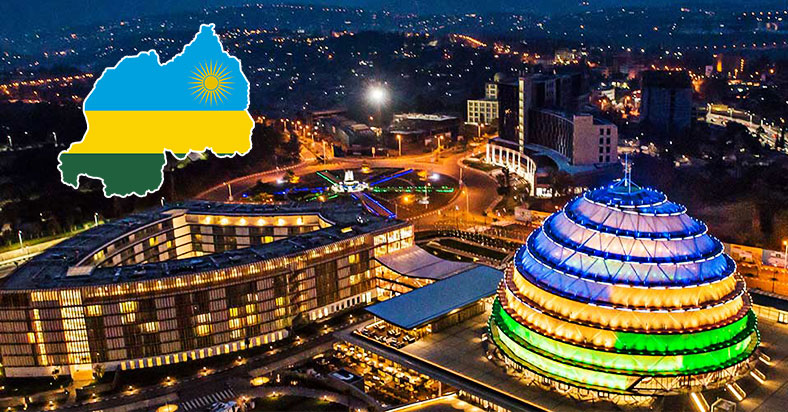
The Kigali Convention Centre
This is an iconic dome-shaped architectural landmark glowing brightly at night at the edge of the skyline
The Kimironko market, and this is a very big and vibrant market bustling with fresh produce, crafts and textiles
Art and thriving creative spaces like the Inema Arts and lively neighbourhood and culinary spots
City Transformation and Recovery
There has been rapid Urban Growth. Post-1994, Kigali has been extensively rebuilt, evolving into one of Africa’s cleanest, safest, and most modern metropolitan centres.
Before 1994, Kigali was growing, but at a very low rate unlike today; when the genocide came in, it made it worser that even the small population was almost coming to an end. Therefore, pre-1994, it was not the Rwanda that is currently portrayed
Commemoration (Kwibuka): Every year starting April 7th, the city and nation observe formal periods of mourning and reflection, promoting unity and reconciliation alongside ongoing civic development
COMPARE YOUR OPTIONS
Best ways to experience Kigali City and Genocide
Much as all our itineraries and safari packages can be customized to deliver unforgettable and more satisfaction, below are some of our top picks when it comes to Kigali City and Genocide , feel free to customize and tailor to match your specific interests and needs.

4 Days
Private
4 Days Rwanda Gorilla Tour and Golden Monkey Trekking
from
$ 2500
per person
5 Days
Private
5 Day Rwanda Gorilla Trekking with Musanze Caves Exploration
from
$ 3299
per personSIGNATURE EXPERIENCE
Kigali City and Genocide in short.
A Kigali city tour and a visit to the Kigali Genocide Memorial are suitable for adults, older teenagers, and curious travelers who are emotionally ready to learn about serious historical events
People who want to understand how Rwanda recovered after the 1994 tragedy are all suitable for this experience
Anyone who struggles with intense emotional triggers, grief, or graphic war history should prepare carefully or skip the memorial part of the trip
Visitors must be able to walk through indoor museum exhibits and outdoor gardens.
Typical duration
4 hours
Setting
Rwanda
Activity style
PRIVATE / GUIDED
Best for
Solo, Couples, Group & Family.
WHAT TO EXPECT
How the experience unfolds
Visiting the Kigali Genocide Memorial
The best timing for your day to visit the Rwanda genocide is during the morning hours. When you arrive in the morning, the site is quieter, and you have ample time, at least 2 to 3 hours, to reflect and process the heavy emotional weight of the exhibitions. This may need more time because people become so emotional and eventually spend a lot of time trying to commemorate and stabilize to go back to a normal lifestyle
On a sensitive note, avoid scheduling your visit around April 7th if you prefer smaller crowds, as this marks the official beginning of the annual national mourning period with high-profile commemorations.
This one alone attracts millions of people from different localities, areas, and international visitors, all of whom come to visit and witness the emotional moment in reflection of the Genocide that claimed the lives of close to or more than 1,
Rules and regulations of visiting
Kigali and its prominent memorial site require adherence to strict environmental, civic, and solemn codes of conduct. Visitors must observe a total ban on single-use plastic bags nationwide, maintain modest dress, and respect strict behavioural guidelines at the Kigali Genocide Memorial where 250,000 victims are laid to rest.
There is a strict plastic ban where single-use plastic bags are strictly illegal in Rwanda; customs inspect luggage upon entry, so use paper or fabric alternatives, and no excuse can be given to any person who supports the use of plastics
There is civic cleanliness where littering is heavily penalized. The city is pristine, and public trash disposal rules are rigidly enforced. This is strictly to maintain the cleanliness of the Rwandan capital city and the country at large.
Community Service (Umuganda): On the last Saturday of every month from 7:00 AM to 11:00 AM, local citizens participate in mandatory national community work, meaning most shops and traffic pause. This is strictly to make sure everyone supports. Failure to do that is punished by imprisonment, and a fine is supposed to be paid before being released from prison
The city has car-free mornings that are usually held on the first and third Sunday of each month from 7:00 AM to 10:00 AM in major sectors to promote health and reduce emissions.
This is compulsory, and it applies to everyone in the city and other areas of the country
The mandatory Traffic and Transport rules require helmets for all motorbike taxi passengers. Speed limits and strict digital speed cameras are active across the roads and all ways to ensure security and reduce accidents.
PLAN WITH CONFIDENCE
Kigali City and Genocide planning Guide
Kigali Genocide Memorial (Gisozi) that is located in the Gisozi district, this primary site and contains the mass graves of over 250,000 victims. It features permanent exhibitions detailing the history of the 1994 atrocities, a poignant tribute to children, and documentation archives.
Campaign Against Genocide Museum that is situated inside the parliamentary building, this museum illustrates how the Rwandan Patriotic Front (RPF) halted the genocide and secured the city in July 1994.
Hôtel des Mille Collines, which is famed globally through film (Hotel Rwanda), served as a haven and refuge for over a thousand people during the massacres.
Kandt House Museum, which is primarily focused on Rwanda’s natural history and colonial era, provides critical context on how German and Belgian colonial policies weaponised ethnic divisions before the genocide.
WHEN TO GO
Best time for Kigali City and Genocide
The best time to visit Kigali and the Kigali Genocide Memorial is during the dry seasons from June to mid-September or December to February. These months offer pleasant, drier weather with lower risks of rain interrupting outdoor city walks and monument visits
The long dry Season from June to September, with warm, clear days and minimal rain, makes this peak period ideal for general sightseeing, walking tours, and combining city visits with gorilla trekking.
The short dry season from December to February offers a quieter dry window with pleasant temperatures, perfect for avoiding larger tourist crowds at cultural and historical sites.
The rainy Seasons are from March to May and October to November and are characterised by heavier downpours that can slow down traffic or walking. However, the city remains accessible and significantly less crowded
PREPARE WELL
What to know before you go
Pack respectful, modest clothing and comfortable walking shoes for your Kigali city tour and visit to the Kigali Genocide Memorial
Choose clothing with covered shoulders and longer hemlines, for example skirts, trousers, or modest dresses in neutral or subdued colors, for example navy, olive, cream) to show respect at memorial sites
Ensure you carry Comfortable Walking Shoes and bring sturdy, broken-in shoes or trainers for exploring hilly streets, markets, and memorial grounds
Leave all single-use plastic bags at home. Rwanda strictly bans them, and baggage is searched at customs
TRAVEL WITH FRIENDLY GORILLAS SAFARIS
We arrange more than the activity
Through out the past ten year, we have arranged exciting and unforgettable journeys to hundreds of thousands of guests.
We are definitely going to make your visit to East Africa worth while through our simple and engaging steps that involves.
01
Trip design
We match the activity, destination, trip length and wider safari to your priorities.
02
Permits & reservations
We book all your permits and entrances at the right times so you never get to meet any suprises.
03
Private transport
All our tours include free airport pickups and drop offs. No extra payments at any point for the same.
04
Guides & local teams
All our guides are experienced, calm and local. They shall definitely make your stay worth while.
05
Accommodation
We use only lodges we have been to and all accommodations we use are perfectly located to give you more fun
06
Safari extensions
Feel free to add more activities and destinations to your visit. Just let us know in advance for a better planning.
BUILD A COMPLETE JOURNEY
Combine Kigali City and Genocide with more of East Africa
COMBINE 01
COMBINE 01
Gorilla Habituation Experience
Get a chance to relate, stare at gorillas for 4 hours in a few parks and only in Rushaga.
COMBINE 01
Tanzania Great migration
Join us as we have an experince of the greatest animal migration to have ever existed
ACTIVITY FAQ
Questions travellers ask before booking
Is Kigali safe for visitors?
Yes. Kigali is widely regarded as one of the safest and cleanest capital cities in Africa, allowing people to walk day or night comfortably.
What language do people speak?
Official languages include Kinyarwanda, English, French, and Swahili. French and English are common in business and tourism
What are the top things to do in Kigali?
Visit the Kigali Genocide Memorial, explore Kimironko Market for crafts, view modern art at the Inema Arts Centre, and see the iconic Kigali Convention Centre
Are children allowed?
Children under 12 are generally not permitted inside the main indoor exhibition due to the sensitive and graphic nature of the historical displays
What is the proper dress code?
Visitors must dress modestly out of respect for a functioning cemetery and place of mourning
START PLANNING
Build your Kigali City and Genocide safari
Tell us your dates, number of travellers, preferred activity, comfort level and the other destinations you want to include. We will use those details to recommend a practical itinerary.
You do not need to know the exact route before contacting us.

Got any questions
about traveling to Uganda?
Get in touch.
