
Select Page
Home » Destinations » Semuliki National Park; Amazing Facts You Must Know
Semuliki National Park; Amazing Facts You Must Know
Witness the world’s greatest wildlife spectacle across 14,763 km² of open savannah — Without a doubt, this park is Uganda’s crown jewel.
Best time to visit
Jun-Sept
Minimum stay
2-3 days
Top Sightings
Sempaya Hot Springs, forest Elephants & Birds
Distance from Capital
329 Kms2
Location
Bundibugyo District
Best for
Groups & Friends
Semuliki National Park: Amazing Facts You Must Know.
Nestled in the remote part of the Bundibugyo District in the western region of Uganda, Semuliki National Park was established as a park in 1993. The park is renowned for its rich biodiversity, hot springs, and abundant wildlife.
Semuliki National Park is nestled near the famous Rwenzori Mountains, also known as the “Mountains of the Moon,” bordering the Democratic Republic of Congo.
The park consists of both savannah and forest as well as home to over 440 bird species. The park is a true lowland forest in East Africa. Semuliki National Park is home to the well-known Sempaya hot springs, which are the park’s most popular and unique tourist attraction.
Wildlife and Bird Species
Primates
Semuliki National Park is home to a variety of primate species such as chimpanzees, which are the major tourist attraction in the park. Other primate species that can be spotted in the park include the black-and-white colobus monkeys, red-tailed monkeys, and the blue monkeys.
Mammals
Apart from primates, the park is also home to numerous big and small mammals such as leopards, waterbucks, Uganda kob, bushbucks, Small & large savannah elephants. Antelopes can also be spotted in the park.
Bird Species
Semuliki in Uganda is home to a large number of birds, with 400 bird species. The park consists of both forest birds such as the African green broadbill, yellow-throated cuckoo, red-billed dwarf hornbill, and the white-crested hornbill.
And also home to water birds such as herons, kingfishers, and shoebills.
Reptiles and Amphibians
Semuliki National Park is a haven for wild amphibians and reptiles; several snake species can be encountered in the park, such as the Gaboon viper and black mamba. Lizard species can be sighted in the park, such as the African rock python, Nile lizard, and Jackson’s chameleon, as well as frogs and toads.
Semuliki NP Safari activities
COMBINE 01
Community tourism
Community tourism is one of the most interesting things you can have mostly the batwa culture
COMBINE 01
Bird watching safaris
What do you know about Uganda birding, what birds do you know in Uganda birding
Why You Should Visit Semuliki National Park?
Sempaya Hot springs
The male and female sempaya hot springs are found in Uganda’s Semuliki National Park. An up-close encounter with the unique and awe-inspiring hot springs is a rare experience that can only be witnessed in this park.
Conservation efforts
Semuliki National Park is a home to the endangered primate species such as the chimpanzees and tourists get the best opportunity to support the Uganda government’s conservation efforts done in protecting these primate species and their natural habitat.
Selected Semuliki NP Sightings & Attractions
Hot springs and Geysers
African Grey Hornbill
Uganda Mangabey
The African Broadbill
Amabere ga Nyina Mwiru
African Fish Eagle
African Elephant
Things To Do in Semuliki National Park
Chimpanzee trekking
Semuliki National Park is home to endangered primate species like chimpanzees and colobus monkeys.
Join the guided chimpanzee tracking groups to observe these endangered species in their natural habitat. This activity offers a lifetime opportunity to learn about the conservation of these primate species and also witness their behaviours.
Hot springs visit.
The Semuliki National Park is well known for its Sempaya hot springs that have rare healing properties. These hot springs consist of two different main springs – male and female – each of which has its own distinct features. Partake in guided walks to the springs and witness the hot steam rising out of the boiling waters.
Nature walks and hiking
Explore the Semuliki National Park by taking part in nature walks and hiking trails.
The park has many well-marked trails that you can follow through the dense vegetation, tall trees, and on the banks of the Semuliki River.
While you partake in nature walks, witness the various bird species and primate species, including chimpanzees and colobus monkeys.
The 8km Sempaya nature trail, the 11 km Red-monkey track on the East side of the park & the 13 km Kirumia hiking trail cross through the forest & extends to the Semuliki River, are the three main hiking trails in Semuliki National Park.
Bird watching
The Semuliki National Park is a natural haven for bird watchers with over 400 different bird species that include the rare shoebill stork and Abyssinian ground hornbill. Take part in the guided walks and boat safaris along the Semuliki River and witness these different colourful bird species.


Game drives
The Semuliki National Park is home to both small and large mammals, including elephants, buffaloes, leopards, and different monkey species.
Partake in game drives during the morning and evening hours to witness the park’s stunning wildlife.
The Semuliki National Park offers both day and night/ nocturnal game drives.
And during the night, there are high chances of encountering more wildlife in the park because most animals are active at night.
The Batwa & Bakonzo Cultural Encounter
Partake in cultural encounters with the Batwa & the Bakonzo tribes as you learn about their traditional ways of life, their indigenous cultural dances, & rituals.
As you visit the Batwa villages, interact with the locals & participate in their cultural performances.
Best Time to Visit
During the dry seasons in months (June to September), the rainfall is minimal & the trails in the park are less muddy, making it easier to navigate & explore the diverse landscapes & the abundant wildlife.
In addition, as the dry season approaches, the wildlife tends to concentrate near water sources, which makes it easier to watch wildlife during game drives and also go bird watching.
Selected Semuliki NP Safari Packages

6 Days
Private
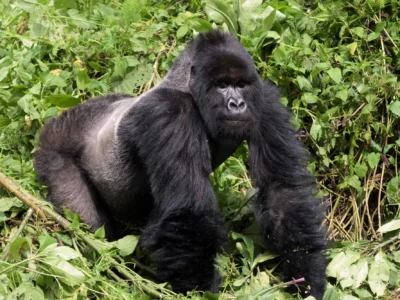
6 Days Uganda Chimpanzee and Gorilla Habituation Safari
from
$ 1897
per person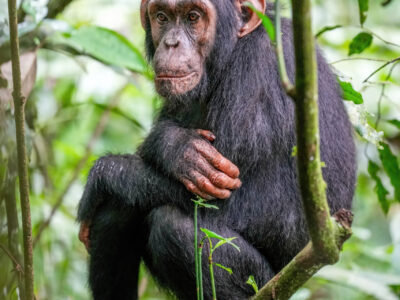
Accommodation in Semuliki National Park
Semuliki Safari Lodge.
The Lodge was uniquely built out of local materials. This structure offers you an authentic African feeling as well as offering the most comfortable stay while in the park.
Ntoroko Game Lodge
Ntoroko Game Lodge is a luxury camp located on the shores of Lake Albert, where it offers the best breathtaking scenery of wildlife species in the park. The lodge offers the best accommodation services to honeymooners & tourists looking for lake view sightings.
Kirimia Guest House
This is located 10 km away from the Sempaya heading towards Bundibugyo & tourists get an up-close encounter with wildlife species in the park as well as the best accommodation facilities like meals & security.
How to get to Semuliki National Park
By road, Semuliki National Park is about 27km from Fort Portal & the direct route is cut off by the Rwenzori Mountains, where a detour to the north is needed to drive through the Buranga Pass into the Semuliki valley.
However, there are two different routes that can connect Fort Portal to Kampala city. The first option is the 300 km, 4-hour drive via Mubende, and the other alternative is through Mbarara, which is considered to be the longer route, but it also offers stopovers at Lake Mburo and Queen Elizabeth National Park.
After that in depth about the wildlife in the park, how to get to the park, the unique cultural encounters with the Batwa community, the awe-inspiring hot springs in the park, and the wonderful conservation efforts done by the government to protect the endangered primate species, Semuliki National Park is a must-visit for wildlife and bird enthusiasts.
Explore Uganda with Friendly Gorillas Safaris today and get a lifetime opportunity to connect with nature.
Semuliki NP in Summary
Best Attractions
Sempaya Hot Springs, forest Elephants & Birds
Best time to visit
Jun-Sept
Best Attractions
Wildlife, river scenery and game drives
Top activities
Sempaya hot Springs visit, Bird watching & Game drives
How to Get there.
Semuliki National Park can be accessed in two different ways ie by road transport and air transport. By road transport, it is accessed through two routes ie the Mubende route and the Mbarara route. By air transport, you book a chartered flight by AeroLink from Kajjansi airstrip or Entebbe International airport to Tororo Semuliki air strip
Recommended duration
Hotel Vanilla (Budget), Ntoroko Game lodge (Standard), Kyaniga Lodge (Luxury)
Frequently Asked Questions
What makes Semuliki National Park unique?
The Lowland Forest. This is Uganda’s only lowland tropical rainforest, showing ecological ties to the Congo Basin rather than East Africa. It is a birding haven, and it hosts over 440 bird species, including Central African specials like the Congo serpent eagle and Nkulengu rail. It has geothermal springs that are not common everywhere, and it is home to the Sempaya Hot Springs, featuring male (Bintente) and female (Nyasimbi) geysers that boil over 100°C
What are the main activities?
The Hot Springs Visit, where you walk along the boardwalk to see the boiling geysers and local cultural displays. These are very interesting and unique features and attract large numbers of people. Some activities, like boiling eggs and matoke, can be done here, creating a very memorable moment. Guided Nature Walks are done here to explore forest trails to spot primates and exotic birds. Community Tours can’t miss where we meet four distinct neighboring ethnic groups, i.e., the Bwamba, Bakonjo, Batuku, and Batwa pygmies
When is the best time to visit?
The best time to visit Uganda for tourism activities is always during the dry Seasons from June to August and December to February that offer easier hiking conditions and better road access. The wet seasons are from March to May and September to November that bring heavier rain but lush scenery and quieter trails. This rainfall sometimes makes the trails and the roads very impassable and therefore attracts very few visitors from around the world
How do I get there and where is it located?
The National Park is situated in western Uganda along the border with the Democratic Republic of Congo, near Lake Albert and the Rwenzori foothills. It is approximately 350km from Kampala the capital city of Uganda, using the Mubende route. It is bordered by the Kibale Forest National Park, and it is roughly a 5-hour drive from Kampala or 40 minutes flight from Kamappala to Toro-Semliki, kilometers from Kampala, usually reached by road via Fort Portal
Browse other destinations
Why Choose Friendly Gorillas Safaris.
Transparent Pricing
No surprises. Your quotation explains accommodation, permits, park fees, transport, meals and exclusions before you book.
Responsible Travel
Your journey supports conservation areas, local guides, porters, lodges and communities connected to wildlife tourism.
Expert Local guides
We only work with knowledgeable guides who value wildlife, safety, hospitality and meaningful guest experiences.
With you always
You receive personal support from start to finish. Before arrival and reliable assistance throughout your safari.
Guaranteed Departures
After booking, no surprising changes. Your tours depart when, how and from the same location we mentioned it would.
Your Safari your way
All our safaris are strictly designed around your interests, travel dates, comfort level and budget shape every itinerary.
DON'T WAIT
Book your Semuliki NP adventure safari today
Tell us when you would like to travel, how many people are joining you and what you want to experience. We will help you build a private safari around your destination, accommodation preferences and available time.
Low Season
Oct, Nov, Mar, Apr, may
Peak Season
Jun, July, Aug, Sept, Dec
Recommended Stay
Buhoma Gorilla Camp,

Got any questions
about traveling to Uganda?
Get in touch.
