Buvuma Island is a stunning island on Lake Victoria that covers 417 square kilometers, bordering Tanzania to the South and some other districts of Mayuge, Jinja, Buikwe, and Kitamilo
It is a remote island district in Lake Victoria, Uganda, consisting of an archipelago of 52 islands, with the main island serving as the commercial and administrative center. It is located roughly a few kilometers off the northern shores of the lake near the Napoleon Gulf, south of Jinja and east of Kampala
The largest island is called Buvuma, the name adopted by the new district, which was created by an Act of Parliament on 1 July 2010.
Buvuma Island in Uganda has been inhabited for many years by the Baganda people. It was a crucial part of the Buganda Kingdom, which was one and still one of the most powerful kingdoms in the region, and up to now, the kingdom still reigns strong
Buvuma is a Luganda word that originates from a Luganda meaning to “abuse,” a name invented during the reign of Kabaka Kiwewa in the early 1700s
The Geography and Nature of the area, with the Archipelago makeup that comprises over 50 distinct islands with elevated landscapes that provide a very beautiful scenery of the area.
The Ironstone geology, with the distinct bedrock dominated by ironstone formations covering quartzite and other geology
The numerous biodiversity areas are home to rich tropical forests and gazetted forest reserves.
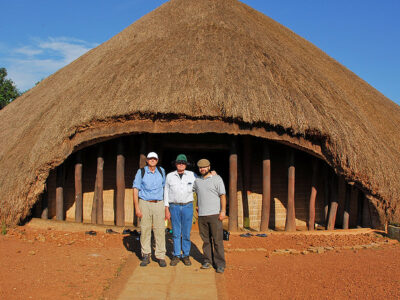
The culture of the ancient caves that feature historical sites like Munyama Cave and Tonge Cave, with early human settlement relics. These caves help to preserve culture
The origin of its name is derived from a Luganda word meaning “to abuse,” dating back to the early 1700s during Kabaka Kiwewa’s reign
Modern Development of the Palm oil frontier: Rapidly transforming into a major hub for Uganda’s vegetable oil development alongside fishing.
The primary livelihood is fishing, and it is the main economic activity for the local population, alongside small-scale farming and emerging agricultural projects.
The environment that is historically known for lush natural tropical forests, though parts have faced land-use changes over recent years
It is a three-hour drive from Entebbe International Airport and an hour drive from Jinja, the source of the Nile, before a ferry to Kiyindi landing site in Buikwe District to Kirongo landing site in Buvuma
Getting there is accessible via public or commercial water transport, most notably through traditional boats or ferry services connecting major mainland points like the Kiyindi landing site in Buikwe District to Kirongo on Buvuma.
The crossing time where the lake crossing from Kiyindi to Kirongo takes approximately 35 minutes, depending on water conditions and the type of vessel used.
The island faces challenges that are not related to overpopulation, but some challenges like increased overfishing, charcoal burning, and too much logging, leading to the cutting down of trees, causing future climate changes
The island also lacks schools, causing a big population to be illiterate, and inadequate health centres to curb and combat the diseases associated with people living on the islands, such as Bilharzia, sleeping sickness, and malaria, because people lack clean and safe water for drinking
Buvuma is approximately 25 kilometers by water south of the major city of Jinja, and around 90 kilometers south-east of the national capital, Kampala.
Buvuma Island is a place where fresh Fish can be found. Fishermen have occupied the area for very many years, and Kiyindi is the major fishing village where buyers make orders to get fresh fish. The fishermen use boats and cast their nets into the waters to catch fish, and some of the fish caught include tilapia, silver fish, Nile perch, lung fish, catfish, among others
Bird watching on the island with forested areas and cool waters is a destination for bird watchers, where bird lovers spot birds such as the African Grey parrot, the pied Kingfisher, the African Fish Eagle, the African Thrush, the red-chested cuckoo, and many other birds
The area is also famous for boat riding on the waters of Buvuma Island on Lake Victoria, ideal for a relaxing boat cruise, whether on weekends, family gatherings with friends, honeymoon holidays, among others
The area is very famous for palm oil farming, with its fertile soils and the good weather that favors palm oil plantations on a very large scale, and has established vegetable oil processing factories
The nature walks and the forest hikes, where the island can be visited in leisure moments for simple nature walks around the breathtaking forests and checking on the community living around the island
Nature and photography, where the place is a scenic area for photography for long-time memories with friends and family. The island offers clear views and very clear shots for those great memories
The area is also famous for camping relaxations for travelers who want to enjoy the real adventure and experience enough of this natural planet
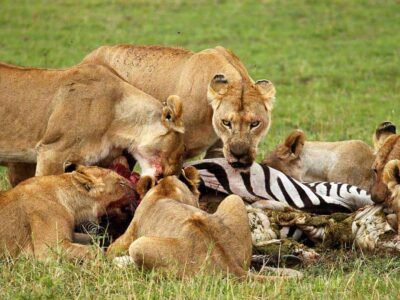
Wildlife viewing can not be left out because the island is home to animals and mammals, such as reptiles like snakes, common lizards, monitor lizards, and crocodiles, among other animals that bring out a real feel of wildlife
Most of the accommodation facilities on Buvuma Island are budget accommodations and are best suited to every tourist but offer luxury experiences and include some of the following:
The Buvuma Island Beach Hotel that offers accommodation with spacious rooms, twin rooms, double rooms, family suites, and camping tents. It features an en-suite bathroom, a balcony, and waterproof, comfortable tents
The Buvuma palm resort that offers comfort cottages with Lake Victoria views and has a very well-organized restaurant, a bar, a conference room, and a big area for social events in a very quiet environment
The Victoria breeze apartments with 8 bed room apartments, providing accommodation with wellness facilities, internet, and a pool for your convenience. This apartment features many amenities for guests who want to stay for a few days, a weekend, or probably a longer vacation with family and friends, and the group
Low season
Oct, Nov, Mar, Apr, may
Peak season
Jun, July, Aug, Sept, Dec