
Wählen Sie Seite aus
Beste Reisezeit
Jun-Sept
Mindestaufenthalt
3-4 days
Top-Sichtungen
Roan Antelope, Cheetah & Ostrich
Entfernung von der Hauptstadt
329 km2
Standort
Nakapiripiriti & Moroto
Am besten für
Friends, Family and Groups
Pian Upe Wildlife Reserve
Pian Upe is located in the Karamoja sub-region of northern Uganda, covering an area of 2788 km2, making it Uganda’s second-largest protected area after Murchison Falls National Park. It is one of Uganda’s splendid protected areas, and it was first gazetted in 1958 as an Animal Sanctuary in the northern part of Uganda.
This wildlife reserve was then extended northwards in 1964 and obtained its current name, Pian Upe, which was derived from the Karamojong local dialect and means “Friendly Enemy.”
The Name Pian Upe originated from the two most popular neighboring pastoral tribes. The Pian is one of the Karamojong groups, and the Upe- a Kalenjin-speaking people also commonly known as the Pakot, located in Kenya and Uganda. And this is the name Pian Upe.
Pian Upe Safari activities
KOMBINIEREN 01
Vogelbeobachtungssafaris
Was wissen Sie über die Vogelbeobachtung in Uganda, welche Vögel kennen Sie in der Vogelbeobachtung in Uganda?
KOMBINIEREN 01
Pirschfahrten in Uganda: Das ultimative Safari-Erlebnis
Eine Pirschfahrt ist eines der schönsten Erlebnisse in Uganda, da Sie einen Blick auf die Tiere werfen können
Attractions in Pian Upe Wildlife Reserve
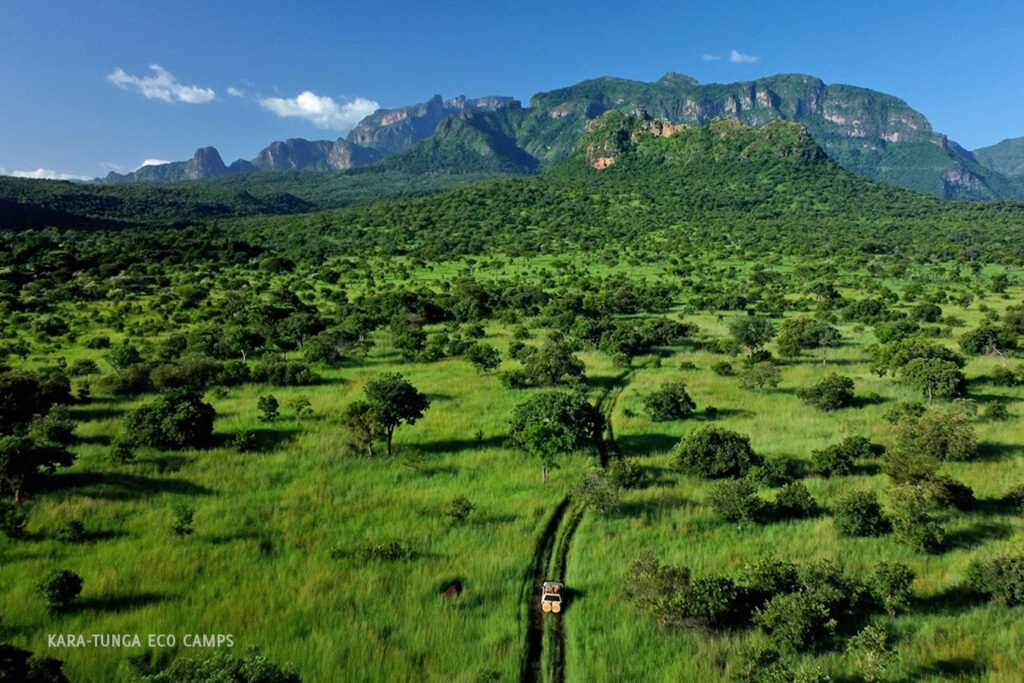
Pian Upe Wildlife Reserve features hot springs as one of its incredible attractions, with the mercury wells, and it is situated at Mount Kadam. The area is comprised of intact woodland and grassland, kopjes, riverine woodland, among others, including remarkable tree species like the bush willows, red acacia, Harrisonia abyssinica, desert date, red spike thorns, and shrubs like the wooly caper bush and butterfly pea.
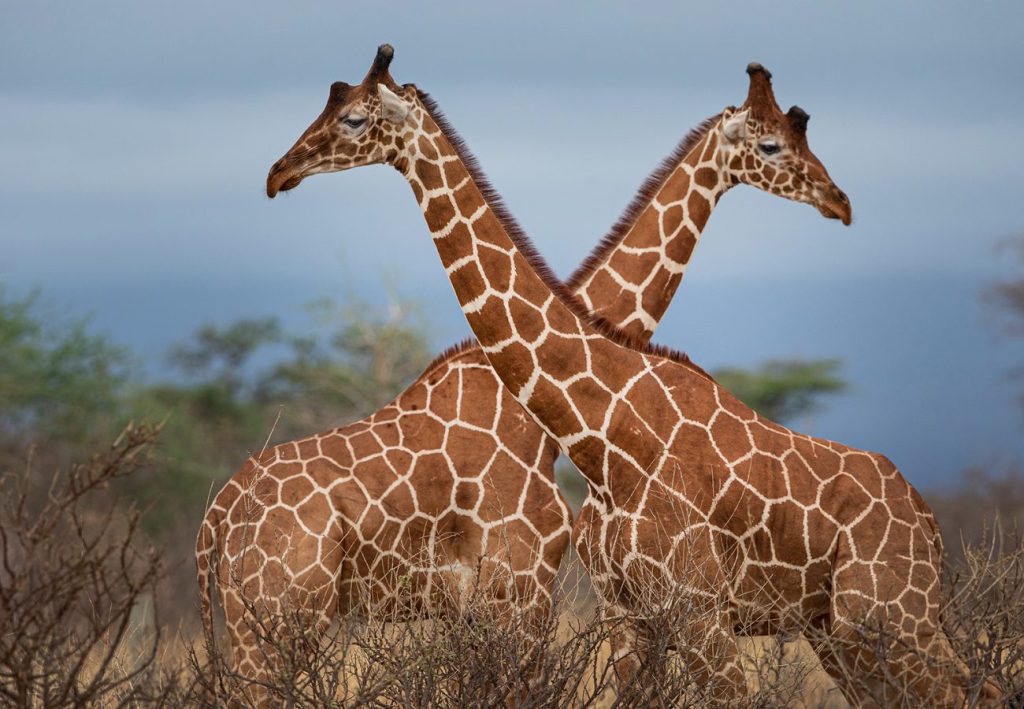
Pian Upe is also a proud home of various species of mammals like elephants, giraffes, lions, zebras, oribis, common elands, and the roan antelope, which is only remaining in Uganda among other wildlife mammals.
There are also remarkable reptiles that can be sighted in this wildlife reserve, such as the puff adders, rock pythons, and harmless water snakes. Other reptiles like the chameleons, geckos, skinks and common agama also inhabit Pian Upe wildlife reserve.
Pian Upe wildlife reserve is also a remarkable paradise for avid birders because of the various bird species that dwell in the area. Such as the rare Ostrich, white-headed buffalo weaver, great hartlaub’s bustard, and Jackson’s hornbill all of which can be sighted in Loporokocho swamp. The area is also home to common primate species like vervet monkeys and olive baboons
Selected Pian Upe Sightings & Attractions
Afrikanischer Kapbüffel
Afrikanischer Fischadler
Giraffen
Afrikanischer Elefant
Best Time to visit Pian Upe
Like any other national park or wildlife reserve in Africa, and particularly in Uganda, Pian Upe Wildlife Reserve can be visited all year round. The following shows the best time to visit Pian Upe Wildlife Reserve.
From January to March, the vegetation is usually dry, which allows splendid views of wildlife as they gather around water sources to quench their thirst. This is the best time of all to visit Pian Upe Wildlife Reserve.
From April to October, the rainy season can make roads impassable due to mud, and Pirschfahrt tracks hard to navigate. The lush vegetation also hinders clear views of wildlife.
From November to December, this is another dry season; the only difference is that the vegetation is still lush, and wildlife views are not very clear.

How to get to Pian Upe Wildlife Reserve?
The headquarters of Pian Upe Wildlife Reserve is located about 100km away from Mbale town along the Mbale-Moroto road. From the headquarters, Pian Upe Wildlife Reserve is just 11 km away. A total of a 5-hour drive from Kampala, Uganda’s capital to Pian Upe Wildlife Reserve
Selected Pian Upe Safari Packages

3 Tage
Privat
3 Days Murchison Falls National Park Fly-in Safari
aus
$ 999
pro Person

10 Tage
Privat
10 Tage Uganda Gorilla Trekking und Masai Mara Safari
aus
$ 1700
pro PersonThe major activities in Pian Upe
Wildlife safaris
The plains of Pian Upe Wildlife are dotted with various animals which can be explored on guided game drives. Expect to encounter animals such as the rare roan antelope, cheetahs, dik-dik, black-backed and side-striped jackals, greater kudu, buffaloes, hartebeests, eland, zebras, among others. A 4×4-wheel drive is recommended for game drives in Pian Upe wildlife reserve.
Bird watching safaris in Pian Upe
Pian Upe is a famous destination for avid birders in Uganda, with a massive number of at least 242 confirmed bird species, including the ostrich- the land’s largest bird- also found in Kidepo Valley Nationalpark
Mountaineering and Scenic Viewing in Pian Upe Wildlife Reserve
Pian Upe features less challenging but most rewarding hills that travelers can undertake for a remarkable experience in the northern part of Uganda. Mt. Kadam is one of the areas with high altitude in Pian Upe Wildlife Reserve, and its peak allows magnificent views of the plains of this game reserve.
Guided nature walks in Pian Upe Wildlife Reserve
Pian Upe is one of the few destinations in Uganda where visitors can get close to the wilderness on guided nature walks. Search for animals like antelopes, zebras, baboons, and many species of birds, among others, while on your nature walk guided by a ranger from the Uganda Wildlife Authority.
Pian Upe in Summary
Beste Attraktionen
Roan Antelope, Cheetah & Ostrich
Beste Reisezeit
Jun-Sept
Beste Attraktionen
Wildtiere, Flusslandschaften und Pirschfahrten
Top-Aktivitäten
Game drives, Bird watching & Guided nature walk
So kommen Sie dorthin.
Head east from Kampala through Jinja and Iganga to Mbale town, which takes about 5 hours, Continue north along the Mbale–Moroto highway for about 90 kilometers and Pass the Chepsukunya Trading Centre, look out for the Uganda Wildlife Authority signpost, and turn off onto the unpaved dirt access road leading directly to the reserve checkpoint.
Empfohlene Dauer
Karamoja Safari Camp (Budget), Karamoja overland camp & Mount Moroto Eco camp
Häufig gestellte Fragen
Where is Pian Upe located?
It sits in the Karamoja region of northeastern Uganda, north of Mount Elgon, covering roughly 2,200 to 2,788 square kilometers. It can be accessed from different directions and different locations, and therefore, from every part you arrive from, you can access the national park, mostly from the east and northern parts of the country.
Wann ist die beste Zeit für einen Besuch?
Every time is good to visit in Uganda depending on your availability and plannng of the activities and preferences depending on your schedule. Both the rainy and the dry season are good to visit Uganda. The dry months from December to March (and June to September) offer the best game-viewing conditions and accessible tracks.
What activities can visitors do?
The activities to get involved in are very many in the arae depending on the amount of time that you have and number of days to spend. Popular activities include guided game drives, bird watching, nature walks, mountain climbing, and Karamojong cultural community tours
Durchsuchen Sie andere Reiseziele
Warum sollten Sie sich für Friendly Gorillas Safaris entscheiden?
Transparente Preisgestaltung
Keine Überraschungen. In Ihrem Angebot werden Unterkunft, Genehmigungen, Parkgebühren, Transport, Mahlzeiten und Ausschlüsse erläutert, bevor Sie buchen.
Verantwortungsvolles Reisen
Ihre Reise unterstützt Naturschutzgebiete, lokale Führer, Träger, Lodges und Gemeinden, die mit dem Wildtiertourismus verbunden sind.
Erfahrene lokale Führer
Wir arbeiten nur mit sachkundigen Reiseführern zusammen, die Wert auf Tierwelt, Sicherheit, Gastfreundschaft und sinnvolle Gästeerlebnisse legen.
Immer bei dir
Sie erhalten von Anfang bis Ende persönliche Betreuung. Vor der Ankunft und zuverlässige Betreuung während Ihrer gesamten Safari.
Garantierte Abfahrten
Nach der Buchung keine überraschenden Änderungen. Ihre Touren starten wann, wie und von demselben Ort aus, den wir angegeben haben.
Ihre Safari auf Ihre Art
Alle unsere Safaris sind streng auf Ihre Interessen, Reisedaten, Ihr Komfortniveau und Ihr Budget ausgerichtet und prägen jede Reiseroute.
WARTEN SIE NICHT
Book your Pian Upe adventure safari today
Tell us when you would like to travel, how many people are joining you and what you want to experience. We will help you build a private safari around your destination, accommodation preferences and available time.
Nebensaison
Okt., Nov., Mär., April, Mai
Hochsaison
Juni, Juli, Aug, Sept, Dez
Empfohlener Aufenthalt
Buhoma Gorilla Camp,

Habe Fragen
über die Reise nach Uganda
Nehmen Sie Kontakt auf.
