حدد الصفحة

When Uganda Dries Out, How Do Wild Animals Survive?

When Uganda Dries Out, How Do Wild Animals Survive?

مقدمة

What happens when the waterhole an فيل depends on begins to dry up, the grass a herd of buffalo feeds on turns brown, and the heat grows stronger by the day? For Uganda’s wildlife, this is more than a change in weather. It is the beginning of a race to find the resources that keep life going.

Some animals must travel farther for water. Others search for food in unfamiliar places, adjust their routines to escape the heat, or wait for opportunities that may not come easily. Meanwhile, predators face their own challenge: finding enough prey when survival becomes harder for almost everyone.

Yet wildlife has ways of enduring conditions that would seem unforgiving to us. The real question is how far animals must adapt, move, and compete to survive until the rains return.

Across Uganda’s national parks, the dry season reveals a side of nature that is easy to miss when the plains are green and water is plentiful.

When familiar sources of food and water begin to vanish, what determines which animals survive and which struggle to make it through?

When the grass disappears, where do grazing animals go?

For grazing animals, survival begins with finding the next meal. As the rains become less frequent, grasses lose their moisture, green pastures turn brown, and some feeding grounds offer less nourishment than before.

Animals that once found food nearby may need to travel farther to reach areas where vegetation remains available. Buffaloes, zebras, and antelopes respond to these changing conditions in different ways.

Depending on the species and habitat, they may move towards riverbanks, wetlands, or other areas where vegetation remains productive for longer. Their movements are shaped by the availability of food and water, as well as the risks of travelling through unfamiliar or exposed terrain.

Moving, however, comes at a cost. Longer journeys require energy, and animals may face increased competition when many gather around the same feeding grounds. These concentrations can also attract predators, turning a search for nourishment into a dangerous gamble.

A stretch of dry grassland may therefore appear empty for a reason. Wildlife could have moved elsewhere, following the resources that remain.

Understanding these movements helps explain why the location of animal sightings can change as the season progresses.

Now how do Elephants cope when water becomes scarce?

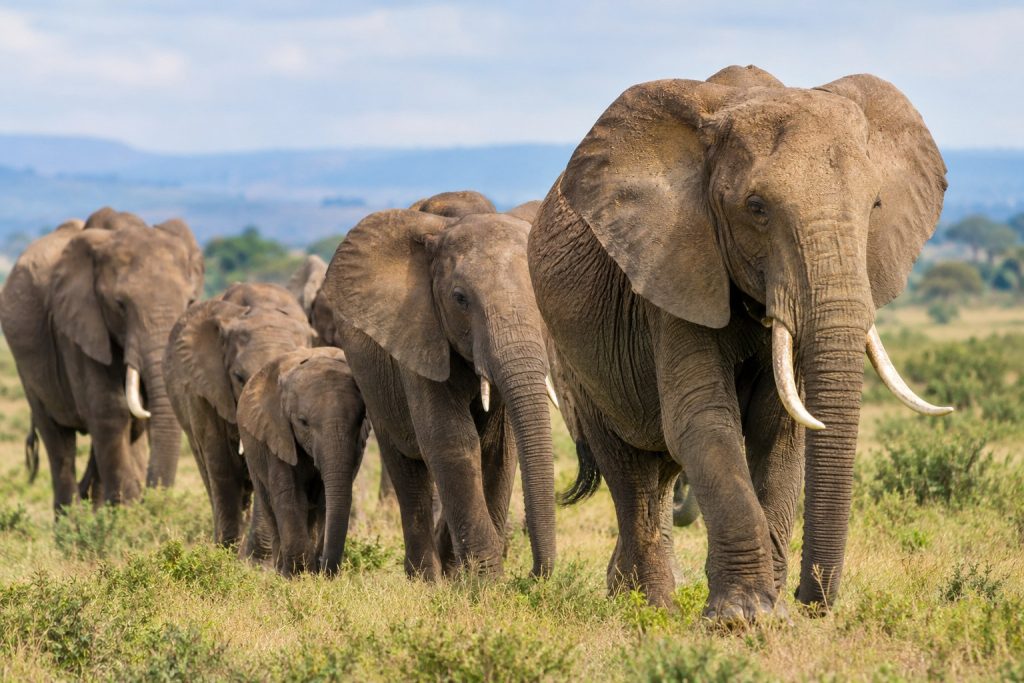
Few animals make the search for water seem as remarkable as the African elephant. Its large body requires substantial amounts of food and water, and the challenge becomes more demanding when dependable sources are farther apart.

الفيلة can travel considerable distances between feeding areas and water sources. Their trunks help them draw up water, gather vegetation, and reach food that might otherwise be difficult to handle.

Their varied diet also gives them some flexibility. When grasses become less abundant, they may feed more heavily on leaves, bark, roots, and other available plant material.

But even an elephant’s size and strength cannot remove every dry-season challenge. Young calves depend on the adults accompanying them, and long journeys can place additional demands on the herd.

Access to connected habitats, suitable feeding areas, and reliable water sources can make a significant difference. This is one reason why protecting elephant habitat involves more than preserving the places where elephants are seen today. They also need the freedom to move between areas as seasonal conditions change.

During a safari, watching elephants travel or feed can reveal how closely their lives are connected to the landscape. Their movements tell a story of survival that extends far beyond the waterhole where you encounter them.

Murchison Falls National Park – Jason Goodman

Elephants and hippos gather along the river in Murchison Falls National Park, where water sources become essential during Uganda’s dry season.
مسارات رحلات السفاري المقترحة

10 أيام
خاص
رحلة غوريلا أوغندا لمدة 10 أيام وسفاري ماساي مارا
من

$ 1700

لكل شخص
12 يوما
خاص
رحلة غوريلا أوغندا لمدة 12 يومًا وسفاري سيرينجيتي
من

$ 1900

لكل شخص

What happens to predators when their prey becomes harder to find?

When grazing animals gather around remaining food and water, predators may find opportunities. Yet a dry season does not automatically make hunting easier.

A الأسد still needs to approach its prey without being detected, while a leopard relies heavily on stealth and the element of surprise. Every failed hunt costs energy without providing a meal. When prey becomes harder to locate or capture, the consequences can be serious.

In some circumstances, predators may benefit when animals concentrate in particular areas. الأسود might encounter more potential prey around productive grazing grounds, while leopards may use vegetation and other natural cover to approach an unsuspecting animal.

However, prey gathering around water does not guarantee a successful hunt. Animals remain alert to danger, and the outcome depends on many factors, including habitat, prey behaviour, and the predator’s hunting strategy.

The dry season can therefore bring predator and prey into closer contact without making either one’s survival certain. For the antelope approaching water, every movement may matter. For the predator waiting nearby, patience may be the difference between eating and going hungry.

How do animals escape the worst of the heat?

Water and food are not the only challenges. High temperatures can make movement more demanding, particularly across open savannah where shade is limited.

Many mammals adjust their daily routines to avoid the hottest hours. They may feed during cooler mornings and evenings, then rest beneath trees or in other shaded places when temperatures rise. These changes help them balance the need to find food with the need to limit exposure to heat.

Other species have different ways of coping. Warthogs may retreat into burrows for shelter, while reptiles often regulate their body temperature through behaviour, moving between sunny and shaded locations. The strategies vary according to the animal, its physiology, and its habitat.

These adaptations also influence what safari visitors see. An open plain may appear unusually quiet around midday, only for animals to become more active as the temperature falls.

A patient observer may discover that the wildlife has not vanished; it is simply following a different daily rhythm. Knowing this can make a difference when planning game drives, although wildlife sightings always depend on natural conditions and cannot be guaranteed.

What happens to birds and smaller wildlife?

The dry season affects far more than the large mammals that dominate many safari photographs. Birds, reptiles, amphibians, and smaller mammals must also respond as water, vegetation, and food sources change.

Some birds move towards wetlands and rivers where food remains available. Others adjust their feeding behaviour as insects, seeds, and other resources become less abundant.

The concentration of waterbirds around a wetland can change with the season, creating different birdwatching opportunities from one visit to another.

Amphibians face a particular challenge because many species depend on moist environments, and some need water to reproduce. Depending on the species, they may shelter in damp places or reduce activity when conditions become unfavourable.

These changes can have effects throughout the food web. When small animals become less abundant or change where they live, predators that feed on them may also be affected. When a seasonal pool disappears, species that depend on it may lose important feeding or breeding habitat.

The dry season is therefore not just a test of endurance for elephants, buffaloes, and lions. It affects an entire web of life, including creatures that visitors might overlook while searching for larger animals.

رحلات السفاري الموصى بها

12 يوما
خاص
سفاري شهر العسل في أوغندا لمدة 12 يومًا مع الغوريلا والحياة البرية وبحيرة بونيوني
من

$ 800

لكل شخص
11 يوما
خاص
11 يومًا رواندا أوغندا غوريلا
من

$ 3800

لكل شخص

Where can you witness Uganda’s wildlife during the dry season?

Although conditions can be demanding for wildlife, Uganda’s dry season can offer rewarding opportunities to observe animals and understand how they use their habitats. The experience differs between parks, and sightings depend on local rainfall, vegetation, and animal movements.

في حديقة الملكة إليزابيث الوطنية, the Kasenyi Plains are known for open savannah and wildlife such as Uganda kob, buffaloes, and lions. The Kazinga Channel provides another valuable setting for observing animals and birds around water.

حديقة شلالات مورشيسون الوطنية offers expansive grasslands and riverine habitats where visitors may encounter elephants, giraffes, buffaloes, antelopes, and a variety of birdlife. A game drive can reveal how animals use different parts of the landscape as conditions change.

For a more remote wilderness experience, حديقة وادي كيديبو الوطنية features broad plains framed by rugged mountains. Its distinctive scenery and wildlife make it an appealing destination for visitors who want to explore another side of Uganda’s savannah ecosystems.

A knowledgeable guide can help you look beyond the obvious sightings by explaining animal tracks, feeding patterns, and changes in activity. رحلات السفاري الغوريلا الودية can help you plan a wildlife safari around your preferred destinations, interests, and travel dates.

When the rains return, does the struggle end?

The first rains begin to change the landscape. Dry ground softens, fresh grass emerges, and temporary pools may fill again. Feeding opportunities improve in some areas, and animals can adjust their movements as water and vegetation become more widely available.

But the return of rain does not erase every challenge. Wildlife survival also depends on the quality of its habitat, the availability of food, and whether animals can move safely between essential resources. Seasonal change is part of a much larger relationship between wildlife and the land.

That is why conservation must protect not only individual animals but also the ecosystems that sustain them. Water sources, wetlands, grasslands, and natural movement corridors all contribute to the ability of wildlife to cope with changing conditions.

The next time you see a shrinking waterhole or a stretch of sun-baked grassland on safari, look beyond the dry landscape. Some animals may already have moved on, while others remain dependent on what is left.

Your Uganda safari story begins here

There is a difference between reading about an elephant’s search for water and watching it cross the savannah with its young. Between learning how lions survive and seeing one emerge from the golden grasslands.

These are the moments that stay with you long after the journey ends, reminding you how extraordinary and fragile life in the wild can be.
With Friendly Gorillas Safaris, your journey into Uganda’s wilderness becomes more than a holiday.

It is an opportunity to witness nature’s resilience, connect with landscapes that sustain remarkable wildlife, and create memories that remain with you long after you return home.

From the sweeping plains of Queen Elizabeth National Park to the untamed beauty of Murchison Falls and Kidepo Valley, your next adventure is waiting.

Don’t just hear the stories of Uganda’s wild animals. Come closer, witness their world, and discover the moments that make you feel part of something greater. Book with Friendly Gorillas Safaris today, and let’s begin planning your unforgettable Uganda safari.

رحلة الغوريلا في اللحظة الأخيرة إلى أوغندا

جاهز لتجربة الحياة البرية المثالية

تحدث معنا، فريقنا موجود دائمًا للمساعدة!
قد ترغب أيضا

لماذا تعتبر إناث الفيلة الأكبر سنا مهمة لبقاء القطيع؟
ما يجب ارتداؤه أثناء رحلة الغوريلا في منتزه بويندي الوطني الذي لا يمكن اختراقه
ماذا تعرف عن فاتورة الحذاء : أكبر الطيور

حصلت على أي أسئلة
بخصوص السفر إلى أوغندا
تواصل معنا.

احصل على الإلهام
مع نماذج رحلاتنا أو ابدأ في التخصيص.