Sélectionner une page

Que savez-vous du bec de chaussure : le plus gros oiseau

Que savez-vous du bec de chaussure : le plus gros oiseau

Overview of a Shoe bill

A shoe-billed stork is a scaring, sharp-looking bird that lives in the freshwater swamps and marshes along the River Nile in Uganda and across central and eastern parts of Africa in the tropics

It has other names, for example, the Whale bill, Whale-headed stork, or Shoe-billed stork; it derives its name from its shoe-shaped bill, which can grow up to 24 cm long and 20 cm wide. The bill is yellowish with irregular dark spots and has sharp edges for capturing prey.

Adult shoebill storks are blue-grey, while juveniles are browner, and their darker grey heads, black-tipped wings, and greenish tint make them distinct. They also have large eyes, which can be yellowish or greyish-white in colour.

Shoebill storks are one of the large birds, standing with a height of about 110 cm and 140 cm tall, with some individuals reaching up to 152 cm and that one alone can be compared to the height of an average adult human. Their impressive wingspan ranges from 230 cm to 250 cm, which is approximately the width of a small car.
Its massive size makes the shoebill stork the largest and most visually striking bird found in Uganda, drawing significant interest from ornithologists and nature enthusiasts alike.

The behaviour of a shoebill

It has unique behaviours that are adapted to wetland environments, and its Favorite meal is air-breathing. Shoebill storks are known for their “Freeze and Seize” hunting strategy, where they remain as still as a statue for long periods, hiding in floating végétation like a chameleon in a forest.

When its food, for example, lungfish and tilapia, comes into range, it strikes with the sudden swiftness of a mousetrap snapping shut, using its large, powerful bill to capture it. This hunting method is particularly effective in poorly oxygenated pools where fish surface for air.

The shoebill stork in Uganda often takes advantage of disturbances caused by larger animals, such as hippos, to catch fish, much like an opportunistic fisherman casting into churned-up waters.

Shoebill storks are predominantly solitary birds, preferring to hunt and live alone. Mating pairs only come together during the breeding season, after which they return to their solitary habits.

Itinéraires de safari suggérés

2 jours
Privé
Safari de 2 jours aux chutes Murchison au départ de Kampala/Entebbe
depuis

$ 800

par personne
1 jours
Privé
Excursion d'une journée en Shoebill dans les marais de Mabamba
depuis

$ 800

par personne

How does it handle its parenting?

Shoebills build nests on floating platforms of vegetation. Both parents participate in constructing the nest and incubating the eggs, which typically number between one and three. During the incubation period, they engage in a behaviour known as “egg-watering,” pouring water over the eggs to keep them cool.

What makes it survive?

It possesses a set of unique adaptations that are both fascinating and slightly unsettling. To reduce the heat and body temperature, they practice a process where they deliberately shit on their own legs, creating a cooling effect that’s as indigenous as it is stomach-turning. Just like an athlete who is sweating and has not showered and uses their own bodily excretion to stay cool during a marathon.

This behaviour is matched by their extraordinary patience, and these birds can remain motionless for hours on end while waiting for prey, transforming into living statues with the unwavering focus of a chess grandmaster plotting their next move. Their stillness is so complete, you’d be forgiven for mistaking them for oddly-shaped reeds until the moment they strike.

Places to spot the Shoe bill in Uganda

Uganda is home to an estimated 1,000 shoebill storks, making it one of the best countries in Africa to observe this rare bird. The most accessible locations to see the shoebill stork in Uganda are Mabamba Swamp on Lake Victoria and the Albert Delta in Parc national des chutes Murchison.

Marais de Mabamba

Mabamba Swamp is a premier destination for watching shoebill storks in Uganda. It is located 12 km west of Entebbe City on Lake Victoria’s northern shore; this wetland is characterized by dense papyrus stands and vibrant water lilies, creating an ideal habitat for many wildlife species.

The relationship between local communities and the swamp’s inhabitants, especially the shoebill stork, has undergone a remarkable transformation. Once hunted by nearby residents, the shoebill is now a cornerstone of local eco-tourism initiatives.

How to Access Mabamba Swamp:

By Boat from Entebbe: This is the most scenic route from the Nakiwogo landing site in Entebbe, with a 1-hour motorized canoe ride offering great views of Lake Victoria and opportunities for birdwatching along the way.

By Car and then drive from Entebbe via the Kawuku-Nakawuka road and takes approximately 1 hour and 15 minutes, depending on weather conditions, especially during the rainy season.

Safaris recommandés

5 jours
Privé
5 jours de vacances à la plage aux îles Ssese sur le lac Victoria
depuis

$ 800

par personne
7 jours
Privé
7 jours de safari culturel à Kidepo, Karamoja et Sipi Falls
depuis

$ 1500

par personne

Parc national des chutes Murchison

The best time to explore Murchison Falls National Park is during the dry season, from January to March and June to September, when conditions are the best for shoebill sightings.

As you pass through the waters, you will not only have a great chance of spotting the elusive shoebill stork but also encounter elephants, hippos, crocodiles, and other fascinating species that thrive in this lush ecosystem.

Other Places to Spot Shoebill Storks in Uganda

Some other places to view these birds include the Ziwa Rhino Sanctuary, the Ishasha sector of Queen Elizabeth National Park, the Makanga Swamp, Lwera Swamp, Roro-Semuliki game reserve, Parc National du Lac Mburo, and Semuliki National Park

Some of the Threats to these birds

Habitat loss, including the destruction of freshwater swamps and wetlands due to human encroachment, agriculture, and drainage, is one of the biggest threats to the shoebill stork. These birds rely on extensive wetlands for breeding and feeding.

The shoebill stork is targeted in the illegal wildlife trade, and their eggs and chicks are particularly vulnerable to poaching.
Human activities, such as livestock grazing and fires in breeding areas, disrupt shoebill stork nesting success, often leading to nest abandonment.

Trekking de dernière minute avec les gorilles en Ouganda

Prêt pour votre expérience ultime de la faune

Discutez avec nous, notre équipe est toujours là pour vous aider !

Vous aimerez peut-être aussi

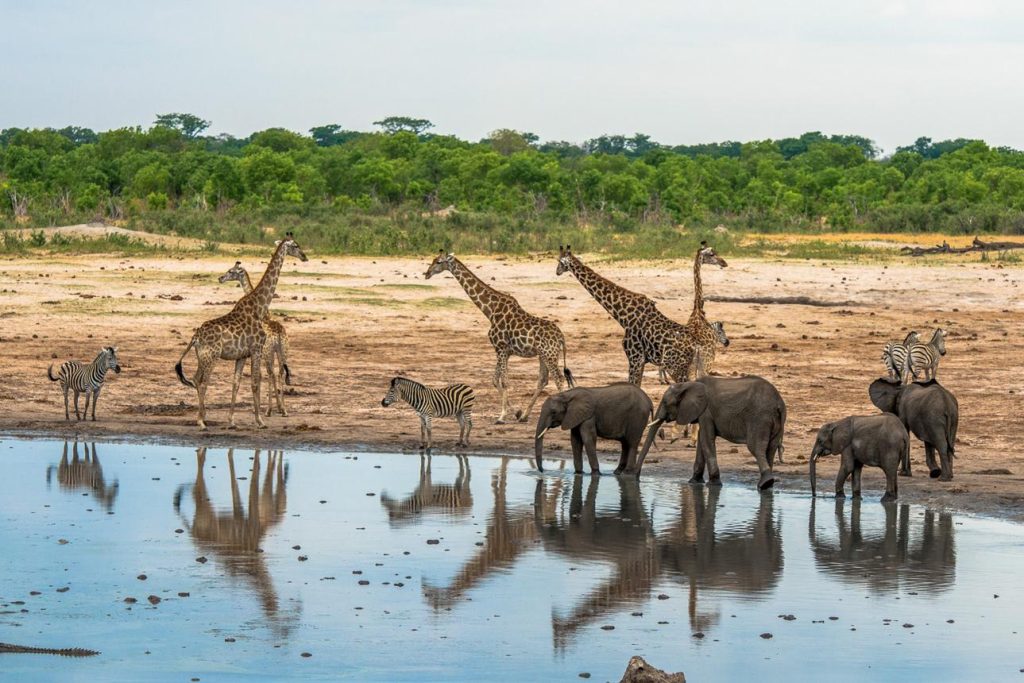
Quand l’Ouganda s’assèche, comment les animaux sauvages survivent-ils
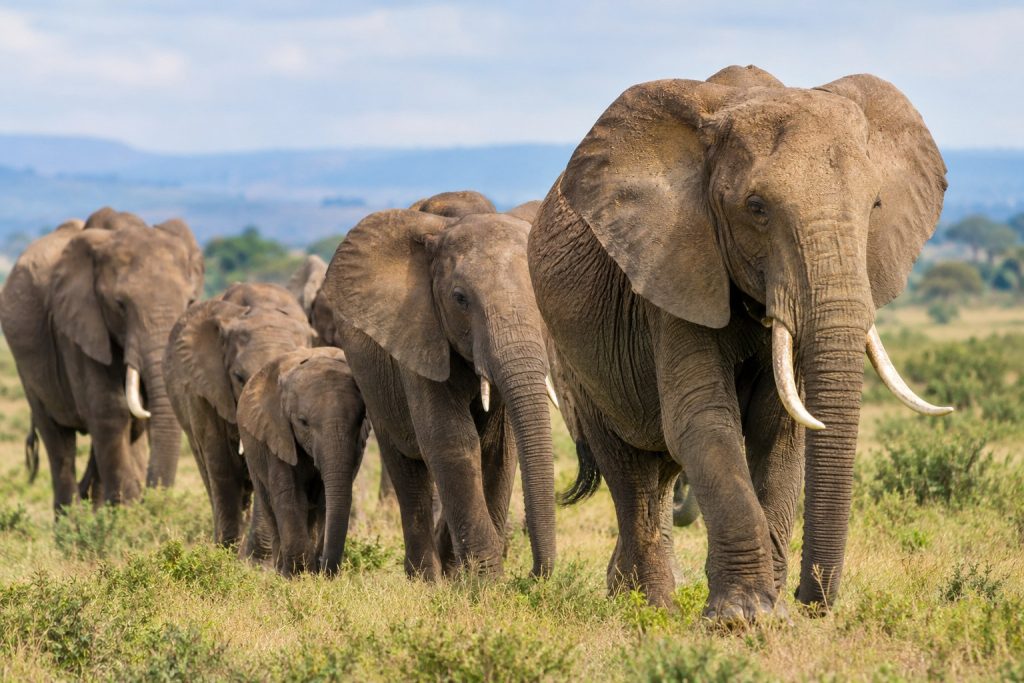
Pourquoi les éléphants femelles plus âgées sont-elles importantes pour la survie du troupeau
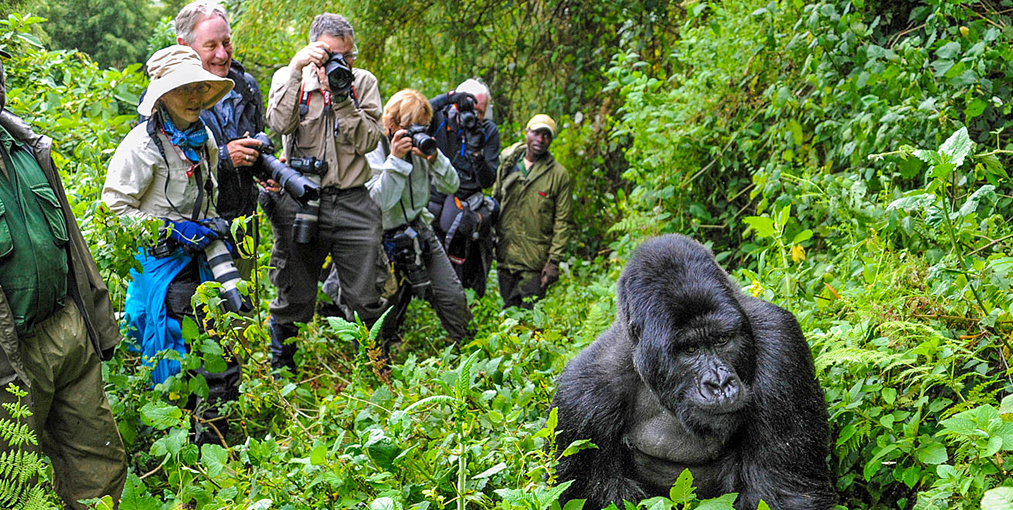
Que porter pendant la randonnée des gorilles dans le parc national impénétrable de Bwindi

J'ai des questions
à propos de voyager en Ouganda
Entrer en contact.

Inspirez-vous
avec nos exemples d'itinéraires ou commencez à personnaliser.